




When someone dies, their bank accounts are frozen and nothing in their name can be sold or transferred until one document exists: the letter of executorship. It is the single most important document in winding up a larger estate, because without it no bank, no insurer, and no Deeds Office will release a cent or move a title. This guide explains what it is, who qualifies, the documents you need, how long it takes, and what it lets you do once you have it.
What a letter of executorship is
A letter of executorship is a formal document issued by the Master of the High Court that appoints a person as the executor of a deceased estate and gives them the legal authority to administer it. That authority covers collecting the assets, settling the debts, and distributing what remains to the heirs, whether under the will or, where there is none, under the rules of intestate succession.
Despite the plural name, it is a single document. You may also see it called Letters Testamentary or, in other countries, a Grant of Probate. All refer to the same thing: official proof that the person named is authorised to act for the estate.
When you need one
The deciding factor is the value of the estate. A letter of executorship is issued where the gross value of the estate is more than R250,000. Where the estate is worth R250,000 or less, the Master issues the lighter letter of authority instead, which appoints a Master’s Representative and follows a shorter process with no advertising and no formal account. The size of the estate decides which route applies, not the family’s preference.
Who qualifies to be executor
If the deceased left a valid will, the person named as executor in it is usually appointed, provided they are fit and proper and not disqualified, for example by being an unrehabilitated insolvent. It is common for a will to name an attorney, accountant, or trust company because of the expertise the role demands.
Where there is no will, or the named executor cannot or will not act, the heirs nominate someone and the Master appoints them. Where the estate holds immovable property or is otherwise complex, the Master usually requires a lay executor to appoint a professional agent to assist, though the legal responsibility stays with the executor.
How to apply, step by step
The process runs through the Master of the High Court in the area where the deceased was living for the 12 months before death.
Report the death within 14 days. An interested party, usually the nominated executor or a close relative, reports the estate to the Master. Reporting late is one of the common ways an estate stalls at the start.
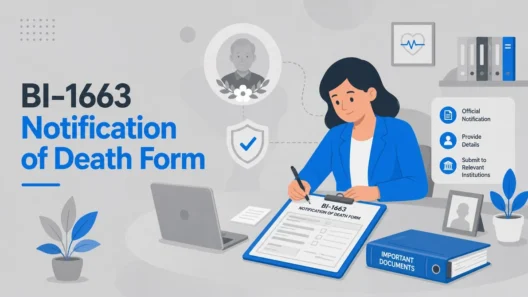
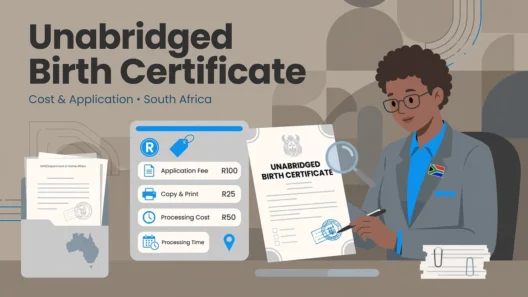
Lodge the reporting documents. The Master needs a specific set of documents. For an estate over R250,000 these typically include the death notice, the original or a certified copy of the death certificate, the original will and any codicils, the identity documents of the deceased and the nominated executor, the marriage certificate and the surviving spouse’s identity document where the deceased was married, an inventory listing the assets of the deceased, the acceptance of trust as executor completed by the nominated executor, and, where there is no will, a next of kin affidavit and a nomination by the heirs of the person to be appointed.
The Master examines the file. The Master checks that the documents are complete and correct and that the nominated executor is suitable. If everything is in order, the letter of executorship is issued.
How long it takes, and why it gets delayed
Once a complete and correct set of documents is lodged, the letter of executorship usually takes anything from about two weeks to three months to issue, with four to eight weeks being a realistic average.
The usual causes of delay are incomplete or incorrect documents, queries the Master raises that the executor must answer, and the bond of security requirement. The Master may require the executor to furnish a bond of security to the full value of the estate, unless the will exempts the executor from providing it. A professional executor is usually exempt or easily bonded, while a family member may find this step adds cost and time. Following up with your estate reference number regularly, and lodging a clean and complete file the first time, are the two things most within your control.
What the letter lets you do
The letter of executorship is what unlocks the estate. With it, the executor can open a bank account in the name of the estate, deal with the banks and other institutions, take control of the assets, and begin the formal winding-up. Until it is issued, no one has the power to act, because any power of attorney the deceased granted ends at death.
Once the letter is in hand, the real work begins. The executor’s job runs from advertising for creditors through to drafting the liquidation and distribution account and paying the heirs. The full sequence, and the personal responsibility that comes with it, is set out in the guide to the duties of an executor.
What it costs
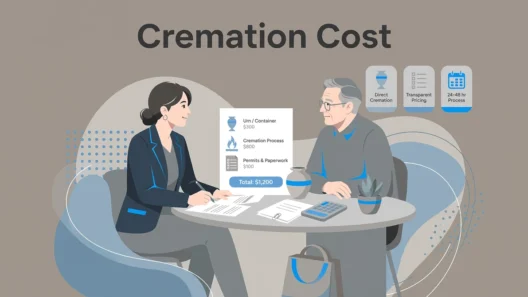
Reporting the estate and obtaining the letter carries the Master’s fee, set by tariff, and where a professional acts as executor or agent, their remuneration. The executor’s fee is regulated at 3.5 percent of the gross value of the estate assets, plus VAT where applicable. The detail is in the executor fees and Master’s office fees guides, and for the bigger picture of how money moves after a death, see what happens to the money when someone dies.
Methodology note
This guide reflects the process for obtaining a letter of executorship under the Administration of Estates Act 66 of 1965, including reporting the estate to the Master within 14 days, the reporting documents, the R250,000 threshold that separates a letter of executorship from a letter of authority, the bond of security requirement, and the standard practice of the Master of the High Court. The R250,000 threshold, the reporting document list, the executor’s remuneration rate of 3.5 percent, and the Master’s fee tariff are set by regulation and Directive and can change. Turnaround times vary widely between Master’s offices. Always confirm the current requirements with the Master of the High Court before reporting an estate.
Disclaimer
This article is general information on obtaining a letter of executorship in South Africa. It is not legal, tax, or financial advice and does not create any professional relationship. Estate administration is complex and the rules and figures change over time. For a decision on a specific estate, confirm the current position with the Master of the High Court or a qualified professional.