




Being named executor is not an honour so much as a job, and a legally binding one. From the moment you accept the appointment, you are responsible for gathering a deceased person’s assets, settling their debts, and distributing what is left to the right people in the right order, all under the supervision of the Master of the High Court. Get a step wrong and you can be held personally liable.
This guide sets out what an executor of an estate actually does, from the first report to the Master through to the final payment to the heirs, so you know what you are taking on before you sign the acceptance.
Who can be an executor
An executor is appointed by the Master of the High Court. If the deceased left a valid will, the person named in it is usually appointed, provided they are fit and proper and not disqualified, for example by being an unrehabilitated insolvent. Where there is no will, or the named executor cannot act, the heirs nominate someone and the Master appoints them.
An executor can be a family member, a friend, or a professional such as an attorney, accountant, or trust company. Where the estate includes immovable property or is otherwise complex, the Master will often require a lay executor to appoint a professional agent to assist. The executor remains legally responsible either way. The agent does the work, but the duties stay with the executor.
What an executor must do, step by step
The work follows a set sequence, each step gated by the one before it.
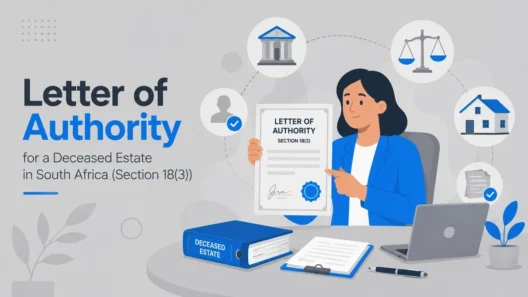
Report the estate and obtain authority. The estate must be reported to the Master within 14 days of the death. For an estate over R250,000 the Master issues letters of executorship; for a smaller estate the lighter letter of authority route applies. Until that document is issued, the executor has no power to act, because any power of attorney the deceased granted falls away at death.
Take control of the assets. Once appointed, the executor takes charge of everything in the estate. This means identifying and safeguarding the property, from bank accounts and investments to vehicles and immovable property.
Open an estate late bank account. The executor opens a dedicated bank account in the name of the estate and deposits the estate’s money into it, keeping the estate’s finances entirely separate from their own.
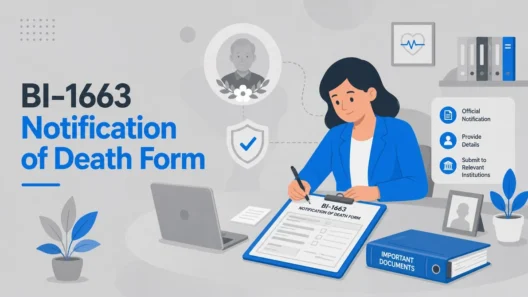
Notify the right parties and value the estate. The executor notifies the banks, creditors, and the South African Revenue Service of the death, and works out the full picture of assets and liabilities at the date of death, obtaining valuations where needed.
Advertise for creditors. The executor publishes a notice to debtors and creditors in the Government Gazette and a local newspaper, giving them 30 days to lodge any claims against the estate.
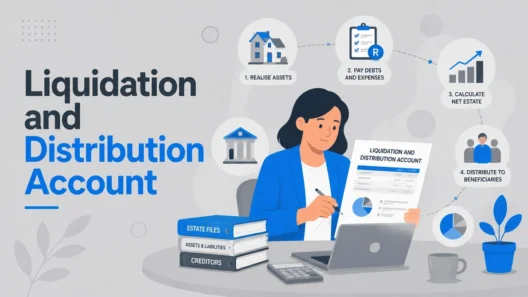
Draft and lodge the account. Within six months of the letters of executorship being issued, the executor must prepare the liquidation and distribution account and lodge it with the Master. This account sets out the assets, the liabilities and costs, and how the balance will be distributed. If more time is needed, the executor must apply for an extension.
Advertise the account and let it lie for inspection. Once the Master approves the account, it must be advertised and left to lie open for inspection for 21 days at the Master’s office and the Magistrate’s Court, so that anyone with an interest can object.
Distribute and finalise. If no objection is upheld, the executor pays the creditors, distributes the balance to the heirs under the will or the rules of intestate succession, transfers any immovable property, and asks the Master to confirm the estate as finalised.
Getting paid, and the bond of security
An executor is entitled to a fee, set by regulation rather than negotiated. The standard tariff is 3.5 percent of the gross value of the estate assets, plus a further charge on income collected after death, plus VAT where the executor is a registered vendor. The full breakdown is in the executor fees guide, and the Master’s own charges are covered in the Master’s office fees guide.
The Master may also require the executor to furnish a bond of security to the full value of the estate, as protection against maladministration, unless the will specifically exempts the executor from providing security. A professional executor or a bank is usually exempt or easily bonded; a family member may find this step adds cost and delay.
Personal liability and removal
Because the executor stands in the shoes of the deceased and controls estate property, the role carries real accountability. An executor who mismanages the estate, fails to account, or acts against the interests of the heirs and creditors can be held personally liable and can be removed by the Master or the court. This is why keeping clean records, answering the Master’s queries promptly, and never mixing estate money with personal money matter so much.
For the wider view of how funds move from the moment of death through to the heirs, see what happens to the money when someone dies.
Methodology note
This guide reflects the duties of an executor under the Administration of Estates Act 66 of 1965, including reporting the estate, obtaining letters of executorship or a letter of authority, advertising for creditors, lodging the liquidation and distribution account within six months, and the 21-day inspection period, together with the standard practice of the Master of the High Court. The executor’s remuneration rate of 3.5 percent, the income charge, VAT, and the bond of security requirement are set by regulation and can change. Always confirm the current position with the Master of the High Court before acting as executor.
Disclaimer
This article is general information on the role of an executor in a South African deceased estate. It is not legal, tax, or financial advice and does not create any professional relationship. The duties described carry legal consequences, and each estate differs. If you have been appointed executor, confirm your specific obligations with the Master of the High Court or a qualified professional.