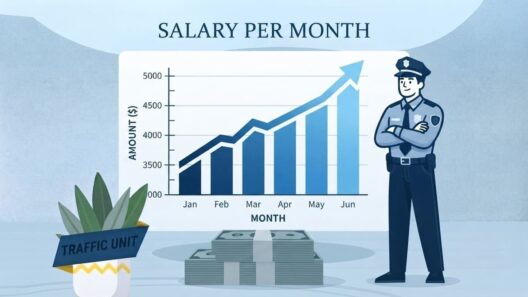




The domestic worker minimum wage in South Africa is R30.23 per hour with effect from 1 March 2026, up from R28.79. This is the national minimum wage set by the Department of Employment and Labour, and by law it is the least you may pay a domestic worker, whether they work full-time, part-time or live in. For a standard month of about 195 hours, the domestic worker minimum wage works out to roughly R5 895 per month.
Quick facts: domestic worker minimum wage
| Item | Detail |
|---|---|
| Minimum rate | R30.23 per ordinary hour |
| Effective from | 1 March 2026 |
| Previous rate | R28.79 per hour (2025) |
| Increase | R1.44 per hour (about 5%) |
| Monthly (195 hours) | About R5 895 |
| Monthly (160 hours) | About R4 837 |
| Daily minimum (8-hour day) | R241.84 |
| Four-hour rule | At least R120.92, even if fewer hours are worked |
| Who sets it | Minister of Employment and Labour |
| Source | National Minimum Wage Act 9 of 2018, Government Gazette (3 February 2026) |
What is the domestic worker minimum wage?
From 1 March 2026, every domestic worker in South Africa must be paid at least R30.23 for each ordinary hour worked. The Minister of Employment and Labour, Nomakhosazana Meth, gazetted the new national minimum wage on 3 February 2026, raising it from R28.79 by R1.44, an increase of about 5%.
Domestic workers have been on the full national minimum wage since 2022, so the same rate that applies to most workers in the country applies to them too. This includes anyone working in and around a private household, such as cleaners, housekeepers, nannies and gardeners.
The minimum wage is a floor set by law. You may pay more, but you may not pay less, and you cannot agree with your worker to pay below it. Reducing someone’s hours or changing their conditions to dodge the minimum is an unfair labour practice.
Domestic worker hourly rate versus salary per month
The minimum wage is set as an hourly rate, so your worker’s monthly pay depends on how many hours they actually work.
- R30.23 per hour is the rate for every ordinary hour.
- About R5 895 per month if they work a full 45-hour week (roughly 195 hours a month).
- About R4 837 per month if they work around 160 hours a month.
- R241.84 per day for a standard eight-hour day.
If you employ someone part-time, work out their pay on the hours they actually do, at R30.23 an hour, and never below the four-hour rule explained next. To see what any wage looks like after UIF, you can use our take-home pay calculator, and you can compare rates in other jobs on our South African salary guide.
Part-time and live-in domestic workers
The same R30.23 per hour applies to part-time domestic workers. There is one important rule to remember: if your worker reports for duty, you must pay them for at least four hours, even if you send them home early or there is little to do. Four hours at R30.23 comes to R120.92, so that is the least you can pay for a day on which they arrive to work.
Live-in domestic workers are also entitled to the full R30.23 per hour. You may agree on reasonable deductions for accommodation within the limits set by the Basic Conditions of Employment Act, but the wage itself must still meet the minimum before any lawful deduction.
Farm worker minimum wage
Farm workers are on the same rate as domestic workers. From 1 March 2026, the farm worker minimum wage is also R30.23 per hour. Since 2022, farm and domestic sectors have been aligned with the national minimum wage, so there is no longer a separate lower rate for either group.
How the national minimum wage works
The national minimum wage was introduced on 1 January 2019 at R20.00 per hour and has been adjusted almost every year since. The rate is reviewed by the National Minimum Wage Commission, and the Minister publishes the new figure in the Government Gazette, usually early in the year, to take effect on 1 March.
A few sectors sit outside the standard rate. Workers on the Expanded Public Works Programme (EPWP) earn a lower gazetted minimum of R16.62 per hour, and learnership allowances are set out separately in the gazette. Domestic and farm workers are not in these exceptions, they get the full R30.23.
UIF for domestic workers
If your domestic worker works more than 24 hours a month for you, you must register them with the Unemployment Insurance Fund (UIF) and contribute. The total contribution is 2% of their wage: 1% deducted from the worker and 1% paid in by you as the employer. Registration is done through the Department of Employment and Labour or the uFiling system, and it protects your worker if they lose their job, fall ill or take maternity leave.
What to do if you are paid below the minimum wage
If you are a domestic worker earning less than R30.23 per hour, your employer is not complying with the law. You can:
- Raise it with your employer first, since many households simply have not updated the rate.
- Contact the Department of Employment and Labour, which can send a labour inspector.
- Approach the Commission for Conciliation, Mediation and Arbitration (CCMA) for help.
You cannot lawfully be paid less, even if you signed something agreeing to it. The minimum wage overrides any such agreement.
How we worked this out
The figures on this page come from the national minimum wage gazetted by the Minister of Employment and Labour on 3 February 2026, effective 1 March 2026, under the National Minimum Wage Act 9 of 2018, together with Sectoral Determination 7 for the Domestic Worker Sector and the Basic Conditions of Employment Act. Monthly figures are worked out from the R30.23 hourly rate at the stated number of hours and are rounded. If you believe you are being underpaid, the CCMA can assist. Always confirm the current rate with the Department of Employment and Labour before relying on it. For a wider view, see our guide to the national minimum wage by sector.
Frequently asked questions
What is the minimum wage for a domestic worker? It is R30.23 per ordinary hour worked, with effect from 1 March 2026. This applies to full-time, part-time and live-in domestic workers.
How much is that per month? About R5 895 for a full 45-hour week (around 195 hours a month), or about R4 837 for roughly 160 hours a month. The exact figure depends on the hours actually worked.
Can I pay my domestic worker less if we both agree? No. The minimum wage is set by law and cannot be reduced by any agreement, contract or arrangement. Paying below it, or cutting hours to avoid it, is unlawful.
Does the minimum wage apply to gardeners and part-time cleaners? Yes. Anyone working in and around a private household, including gardeners, cleaners and part-time helpers, falls under the domestic worker category and must be paid at least R30.23 per hour.
Do I have to pay for a full day if my worker only works two hours? You must pay for at least four hours on any day the worker reports for duty, which is R120.92 at the 2026 rate, even if fewer hours are worked.
Do I have to register my domestic worker for UIF? Yes, if they work more than 24 hours a month for you. You contribute 1% and deduct 1% from their wage, for a total of 2%.